

Which Integument Layer Can Repair Itself
An Overview of the Pare
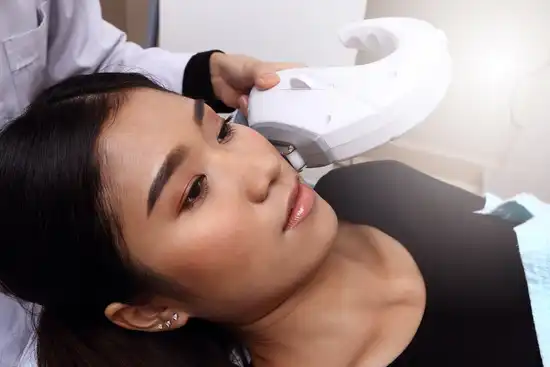
Your skin is the largest organ on your torso, made upward of several different components, including h2o, protein, lipids, and different minerals and chemicals. If y'all're average, your skin weighs about six pounds. It'due south chore is crucial: to protect yous from infections and germs. Throughout your life, your skin will modify constantly, for better or worse. In fact, your skin will regenerate itself approximately every 27 days. Proper skin care is essential to maintaining the health and vitality of this protective organ.

How Can I Keep Skin Salubrious?
- Thorough cleansing. You should perform this twice daily. At night, make sure you lot remove all your make-up and cleanse properly earlier going to bed.
- Apply a gentle soap without fragrance.
- Counterbalanced diet.
- Moisturizing. This is recommended fifty-fifty for those who accept oily skin. There are enough of moisturizers on the market that are oil-free.
- Sunscreen. This is probably the most of import thing that you can do for your skin. Even in the winter and on cloudy days, you should put sunscreen on every day. This should be done fifty-fifty if you are not outside much. A sunscreen that says "broad spectrum" (or says it protects confronting "UVA and UVB") with an SPF of 30 or higher is necessary. Limiting your time in the sun, especially between the hours of x a.thou. and 2 p.m., and wearing protective clothing, such equally a long-sleeved shirt, pants, and a wide-brimmed chapeau, are also recommended.
Over the course of your life, you should pay attention to all parts of your skin. Familiarize yourself with it, then yous'll notice any changes that might occur, such as dissimilar moles or patches that might signal skin cancer. Whenever you have a question or business organization, make sure y'all see your doc.
How Does My Pare Work?
There are medical terms for various parts of your skin. Here's a rough guide to what those terms mean.
Stratum corneum: The Outer Layer of Dead Peel
The stratum corneum contains dead peel cells that used to be in the epidermis. Using facial scrubs and some other skin products will remove or sparse this layer.
Epidermis: The Outer Layer of Skin
The epidermis is the thinnest layer in your skin, merely information technology's responsible for protecting you from the harsh surroundings. The epidermis has 4 layers of its ain: stratum germinativum, stratum spinosum, stratum granulosum, and stratum lucidum. The epidermis also hosts unlike types of cells: keratinocytes, melanocytes and Langerhans cells. Keratinocytes produce the protein known as keratin, the primary component of the epidermis. Melanocytes produce your skin paint, known equally melanin. Langerhans cells preclude foreign substances from getting into your skin.
Dermis: The Middle Layer of Pare
This is the layer responsible for wrinkles. The dermis is a complex combination of claret vessels, hair follicles, and sebaceous (oil) glands. Here, you'll find collagen and elastin, two proteins necessary for peel health because they offer support and elasticity. Fibroblasts are the cells you'll find in this layer, because they synthesize collagen and elastin. This layer also contains nerves that sense hurting, touch, and temperature.
Subcutis: The Pare'southward Fatty Layer
Reduction of tissue in this layer is what causes your skin to sag every bit well as wrinkle. This layer hosts sweat glands, and fat and loose connective tissue. The subcutis is responsible for conserving your torso'southward heat and protecting your vital inner organs.
Collagen and Your Pare
Collagen is plant in the dermis and is the most abundant protein in the skin, making up 75% of this organ. This is as well your fountain of youth. It's responsible for warding off wrinkles and fine lines. Over time, ecology factors and aging diminish your body's ability to produce collagen and can also intermission down existing collagen.
Your Skin and Elastin
When you hear the word elastin, think rubberband. This protein is found with collagen in the dermis, and is responsible for giving construction and support to your skin and organs. As with collagen, elastin is afflicted past fourth dimension and the elements. Diminished levels of this poly peptide cause your pare to contraction and sag.
Keratin and Your Peel
Keratin is the strongest protein in your pare. Information technology's also dominant in hair and nails. Keratin is what forms the rigidity of your pare.

Which Integument Layer Can Repair Itself,
Source: https://www.webmd.com/beauty/cosmetic-procedures-overview-skin
Posted by: monacomourrought.blogspot.com
0 Response to "Which Integument Layer Can Repair Itself"
Post a Comment